
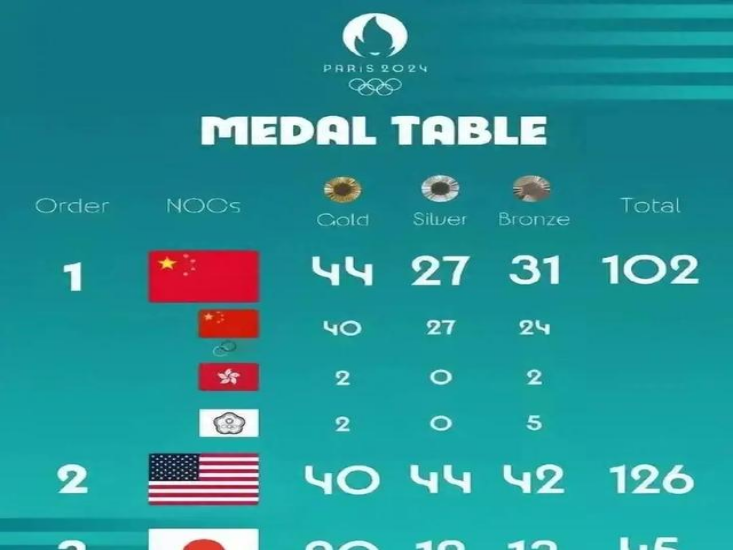
At the Paris Olympics, the Chinese delegation achieved impressive results, ranking first in the gold medal list with 44 gold medals, tied with the United States. This achievement not only demonstrated the continuous growth of China's sports strength, but also attracted widespread attention from the international community. While Chinese athletes were making great achievements, the remarks of International Olympic Committee Vice President Samaranch Jr. caused an uproar. In an interview, he said: "Chinese friends, please leave some opportunities for others to win medals. You are too strong in many events!"
This statement is undoubtedly an affirmation of China's sports strength, but it also triggered people's thinking about the development path of Chinese sports. Samaranch's remarks imply that China's advantages in certain events are too obvious, which may affect the enthusiasm of other countries to participate. This makes people wonder whether China is a sports power or a sports powerhouse, and what is the future direction of development.
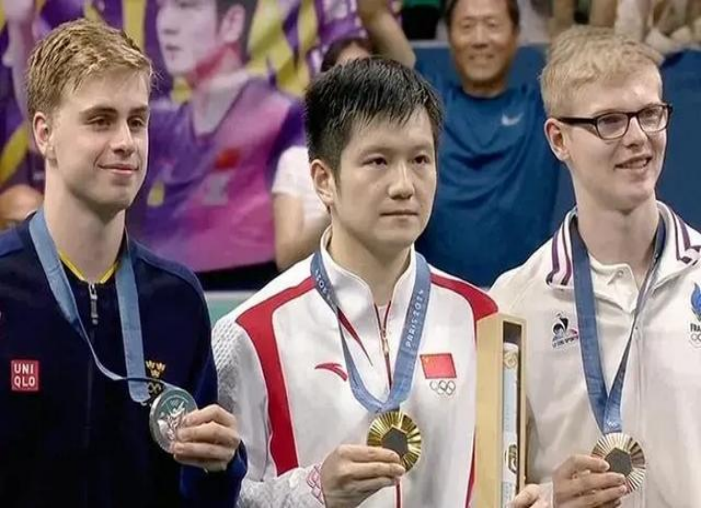
In 1984, China won its first gold medal at the Los Angeles Olympics, marking the rise of Chinese sports. Since then, China has continued to achieve good results in table tennis, diving, gymnastics and other events, making its mark on the international sports stage.
The successful hosting of the 2008 Beijing Olympic Games has injected new vitality into China's sports industry. China not only continues to maintain its advantages in traditional strengths, but also has made breakthroughs in some emerging projects. Even with such brilliant achievements, China's sports industry still faces some challenges. The advantages in some projects are too obvious, which may affect the enthusiasm of other countries to participate, which needs to be paid attention to. The development of Chinese sports is too dependent on government support and lacks a market-oriented operating mechanism. This not only limits the development space of sports, but may also affect the enthusiasm of athletes. In addition, there are some unfair factors in the development of China's sports industry. For example, in track and field events, the United States easily won gold medals with the advantage of the number of events, which is obviously unfair.
In the face of these challenges, China's sports industry needs to conduct in-depth reflection and reform. It is necessary to continue to maintain its advantages in traditional strengths, while actively training athletes in other events to improve the overall competitive level. It is necessary to promote fairness in international sports events, ensure that all countries compete on the same platform, and avoid differences in the number of gold medals due to uneven event settings.
Thirdly, we should strengthen sports exchanges and cooperation with other countries, learn from advanced training concepts and management experience, and improve the overall level of Chinese sports. We should emphasize that sports are not only a competition for gold medals, but also a pursuit of sportsmanship. Gold medals should be won on the basis of fair competition and hard work. Through these efforts, Chinese sports will continue to shine on the international stage in the future, and will also be able to better compete with athletes from other countries.