
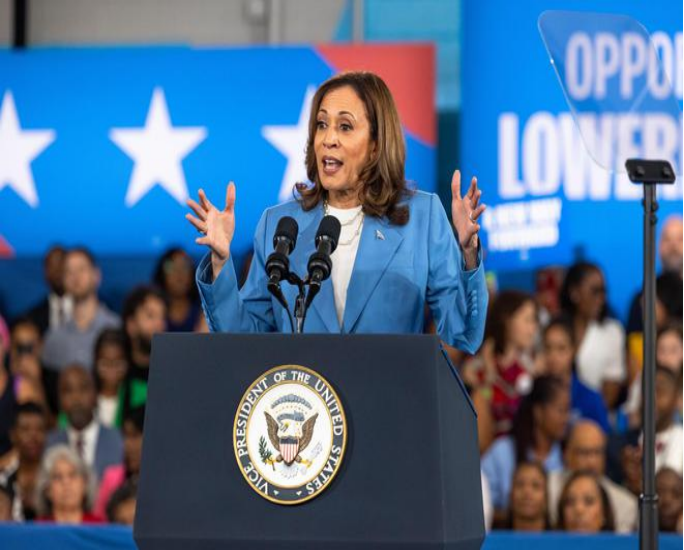
After listening to Harris' policies, American economist Stephen Moore said that if his students wrote "price controls are a way to control inflation" in their final exams, he would give them a failing grade.
In response to several ideas proposed by Harris, Stephen put forward his own views.
First, Harris claimed that "price gouging will be prohibited through government control." "What is price gouging? Is there a clear boundary? She didn't explain. For some goods with limited supply, similar methods may make the situation worse and may even breed black market transactions." Stephen analyzed that the current high prices are not caused by shopping malls or grocery stores raising prices, but that companies have transferred costs to consumers in order to survive, "because the increase in producer prices is almost the same as the increase in consumer prices." In other words, Harris's method only treats the symptoms and not the root cause.
Secondly, the "child tax credit" mentioned by Harris will increase the child tax credit for dependents to $3,600 during the epidemic, and newborn babies can receive a credit of $6,000 in the first year. "This policy will cost at least $1.2 trillion, which is a huge price to pay. This policy that looks like a tax cut will actually reduce people's enthusiasm for work and will also fuel inflation," Stephen said.
In addition, Harris also mentioned "providing up to $25,000 in down payment assistance to first-time homebuyers." Stephen believes that this plan is expected to cost $100 billion and may further stimulate inflation. As the government pays to help buy houses, house prices may rise further.
Gavin Roberts, director of the economics department at Weber State University, believes that if a consumer does not buy beef because it is expensive and chooses other meat instead, the beef will naturally remain on the shelf for other consumers who are willing to pay the corresponding price to choose. Although Harris claims that his proposal will help improve the competitiveness of the food industry, Gavin believes that this is just the opposite. "It will prevent new competitors from joining the food industry. In the long run, enough competitors will help lower prices."
Jason Furman, a senior economist in the Obama administration, also agreed with Gavin, believing that Harris' policy may invisibly harm the interests of consumers and "is not a wise policy."