
Recently, Biden signed an executive order to impose new tariffs on Chinese goods, including a 100% tariff on electric vehicles. Now Americans can buy Chinese cars, but you have to pay twice as much. The naked targeting shows that the United States is really anxious this time. Many consumer goods on American store shelves have become cheaper . Among them, a wave of imports from China and other emerging economies has helped to lower the cost of video game consoles, T-shirts, dining tables, household appliances and other products. In the world of capital, efficiency is the first priority and the lowest price wins. Therefore, as the world's largest industrial country, we have caused many American factories to close down. According to their data, we have even caused more than 1 million workers to lose their jobs.
In a sense, they are all trying to revive and protect American factories by making it more expensive to buy Chinese goods. To this day, the unemployment rate in the United States remains high, and the quality and quantity of industrial production remain poor. The current dilemma of the US government can be seen in just one tariff rate: a 100% tariff on Chinese electric vehicles. These cars, which start at less than $10,000, have flooded into sales halls around the world, but have struggled to break through the barriers set by the government for the US market.
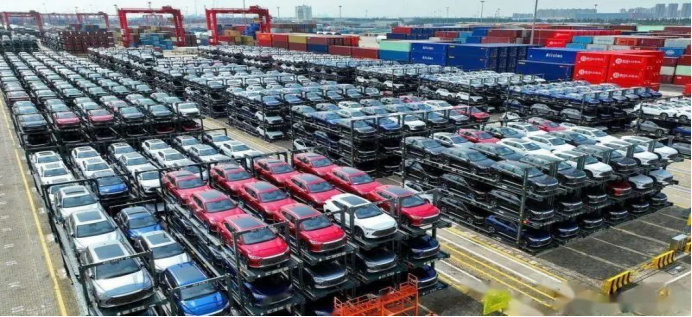
An American economist was particularly pessimistic and said: consumers and voters cannot have the best of both worlds. The whole world is making trade-offs. If you want the United States to maintain and regain its leadership in these technological fields, you must pay more, and even then it may not necessarily succeed. Obviously, it is unrealistic for the United States to completely cut ties with China, but the reality is that people in some countries have already used domestically produced new energy vehicles worth tens of thousands of dollars, and the latest US policy has turned our civilian, affordable new energy vehicles into "luxury car brands": after all, only luxury cars will be subject to such high tariffs.
Policies are introduced one after another, but Americans have found in despair that China seems to be doing well without doing business with the United States, and even some industries are thriving. Therefore, many economists who continue to support reducing trade restrictions on China have severely criticized Biden and Trump, not only because these policies will inevitably increase prices. They said that Trump and Biden's policies may slow economic growth.
Cutting off competition from China, they say, could force companies and consumers to spend money on artificially expensive domestic goods rather than on new, innovative products that could create new industries and jobs. American politicians are well aware that if Biden's policies don't help quickly drive down prices of American manufacturing, voters will be unhappy with the efforts. For ordinary people, they don't care about dominating the world or the oceans. People just want to have both. Polls show that the American public is already very unhappy with rising prices, which are related to supply chain disruptions and stimulus measures by governments and central banks as the world emerges from the COVID recession.
Current and former Biden aides hope that these issues will not affect his economic policy strategy if he wins reelection. If Trump returns to the White House, continued price increases from new tariffs could also hurt his approval ratings. These political issues have created uncertainty about the ultimate direction of China policy in the new era. After all, Trump's trade wars seem to have little effect, not to mention the impact on us, and it seems that they have not gained any benefits for themselves. Of course, the America First strategy has succeeded in bringing Trump a lot of votes to a certain extent, but its usefulness is limited to this.