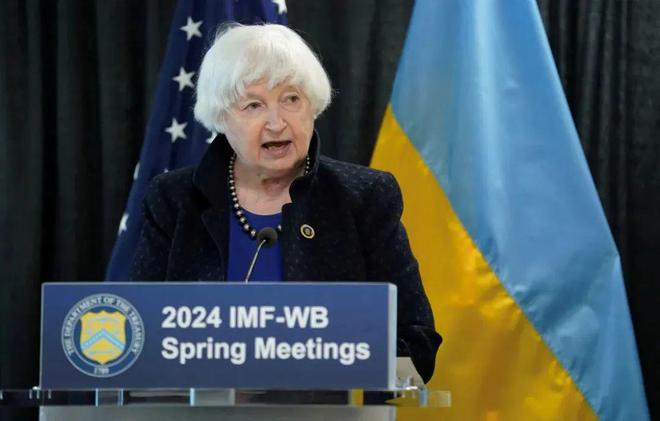
Recently , the Office of the United States Trade Representative issued an announcement on the imposition of 301 tariffs on China, stating that some measures to impose substantial tariffs on a series of Chinese imported goods such as electric vehicles and their batteries, computer chips and medical products will take effect on August 1. The 30-day public comment period will end on June 28.
Judging from the Biden administration's early election activities, this round of tariff policy may have been brewing long ago. In April, Biden gave a speech in downtown Pittsburgh, the famous "Steel City" in the United States, promoting his economic policies and proposing to triple the tariffs on imported steel, aluminum and shipbuilding materials. Biden's speech was a response to a petition previously submitted by five major labor unions including the United Steelworkers of America. The petition asked the US government to activate the "Section 301" to launch a trade investigation into China's "unreasonable and discriminatory" practices in the maritime, logistics and shipbuilding industries.
Compared with the four rounds of 301 tariffs imposed by the Trump administration on China since 2018, the volume of goods subject to this additional tariff is relatively small, accounting for 3.4% of US imports from China in 2022, so the overall impact on domestic exports is limited. In addition, there is also a two-year exemption period for goods with a relatively high export share, such as non-electric vehicle lithium-ion batteries, natural graphite and permanent magnets.
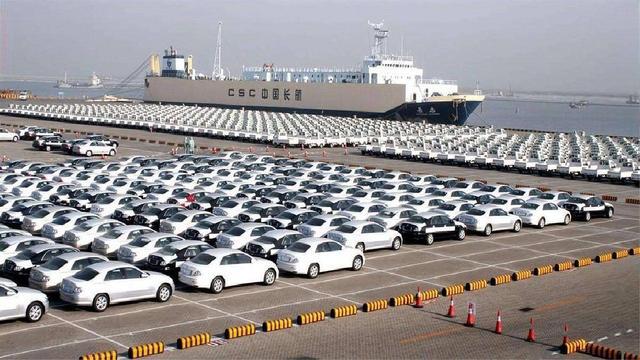
The 301 tariffs only target products originating from mainland China, and China can still reduce the impact of US tariffs through "re-export". However, if the United States and some countries subsequently increase the review of the origin of certain products, it may affect the export of related products to a large extent. At present, Chinese companies mainly export photovoltaic products to the United States through Southeast Asia, but previously , the US Department of Commerce officially launched an anti-dumping and anti-subsidy investigation on photovoltaic battery modules manufactured in Cambodia, Malaysia, Thailand and Vietnam, attempting to curb the export of Chinese photovoltaic products to the United States. The results of the investigation are expected to have an impact on the Southeast Asian layout of China's photovoltaic industry.
The tariffs imposed on China this time have significantly increased the tariffs on new energy vehicles from 25% to 100%. However, since the 25% tariff during the Trump era has largely hindered China's new energy vehicles from entering the US market, China's new energy vehicle exports to the US share is very small. According to data from the General Administration of Customs, China's new energy vehicle exports to the US in 2023 will be about 16,000, accounting for only 1.3% of China's new energy vehicle exports. Therefore, in Tu Xinquan's view, the US tax increase on new energy vehicles in China to 100% has no practical significance, and is more like a manifestation of US bullying against China.
The United States is suppressing other countries' advanced industries under the banner of "overcapacity", engaging in protectionism under the pretext of "fair competition", trampling on market economy principles and international trade rules, and is naked bullying. Wang Wenbin reiterated that the rapid development of China's new energy industry, including electric vehicles, lithium batteries, and photovoltaic products, is based on continuous technological innovation, a sound supply chain system, and full market competition. The leading position achieved is the result of the combined effect of comparative advantages and market laws, not from the so-called "subsidies". On the contrary, in recent years, the United States has successively signed the "Chips and Science Act" and the "Inflation Reduction Act", directly intervening in the allocation of market resources through hundreds of billions of dollars in direct and indirect subsidies. The United States is the "big spender" of industrial subsidies. Imposing heavy taxes on China's new energy vehicles may prompt China's new energy vehicles to invest and build factories overseas, and the supply chain will be transferred overseas, thereby weakening China's position in the global supply chain.