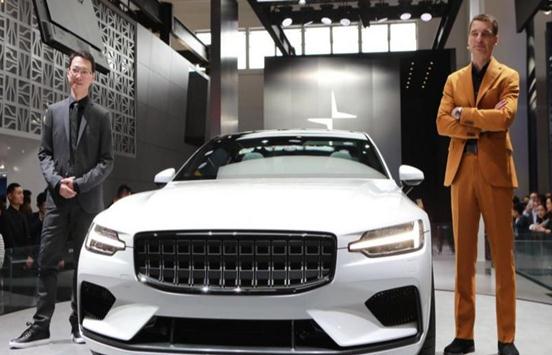
The US governmentrecentlyannounced that it will impose tariffs on Chinese electric vehicles and other products.International public opinion generally believes that a new round of tariff hikes may seem aggressive, but just like the protectionist policies previously implemented by the United States, as the "boomerang effect" of tariff hikes on China gradually becomes apparent, the most deeply injured are still American consumers, the development of American industries themselves, and the global green transformation process.
The use of a "tariff stick" against China's advantageous industries is the latest step in the United States' recent "overcapacity" offensive against China. Its essence is still to implement trade protection, undermine World Trade rules, and suppress the Chinese economy. However, considering the cumulative effect of trade barriers against China in the early stage, coupled with the limited quantity of related products exported from China to the US market, even if the new tariffs do land, most of them only add a sense of loneliness. "It seems to be a bold attack on the most important competitor, but in fact it will hardly weaken China's economic growth," said Singapore's Lianhe Zaobao.
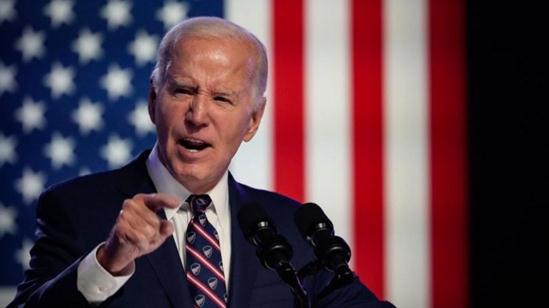
In the context of the election, the US government's tax hikes are nothing more than a political show. The Financial Times reported that in recent months, Biden has taken multiple actions in an attempt to convince union members in swing states that he will protect employment, but such measures are not innovative.
The old protectionist tactic of imposing tariffs is like drinking poison to quench thirst for the development of domestic industries in the United States, and will only damage the global competitiveness of its related industries. "Tariffs and cowardice are putting American automakers in a desperate situation," Bloomberg columnist David Fickling wrote a column titled "This is a shocking loss of courage" for American automakers who are complacent about the status quo and face the "century change" of electrification transformation. "Like birds on an island, American car manufacturers are 'evolving' to adapt to a strange and pleasant environment where they can become big and bulky without a competitor, and gradually lose their flying ability," said Fickling.