
In the vast river of history, every country inevitably has some bad memories. And today, we want to uncover, it is the UK that little known "blood contamination scandal". In the 1970s and 1980s, the British National Health Service (NHS) imported a large number of blood products from the United States on the other side of the ocean, but these seemingly life-saving "sources of life", but hidden murder - they were contaminated with hepatitis C and HIV, resulting in about 30,000 British people infected, about 3,000 people died.

Back in the 1970s, the British health system was facing unprecedented challenges. Because of the shortage of local blood sources, the British government had to look overseas for blood products to import. At that time, the United States, with its advanced medical technology and large blood plasma reserves, became the partner of choice for Britain. However, no one expected that this seemingly ordinary transnational cooperation would sow the seeds of trouble for the future.
At first, everything seemed calm. Blood products imported from the United States are widely used in clinical treatment, especially in the treatment of hemophilia patients have played an important role. Over time, however, some unusual cases began to trickle in. After receiving the treatment, patients showed symptoms of abnormal liver function and immune system breakdown for unknown reasons. The emergence of these cases has aroused widespread concern in the medical community.
After in-depth investigation, medical scientists were surprised to find that the root cause of these cases came from those imported blood products. It turns out that these blood products were contaminated with hepatitis C and HIV during collection, processing and storage. These viruses, transmitted through blood products, quietly invade the body of patients, destroying their health and even their lives. The discovery shocked British society. People began to question the regulatory capacity of the government and relevant medical institutions, and called for a thorough investigation of the truth of the incident. However, the government has been slow to give a clear answer and even tried to cover up the truth. This attitude undoubtedly exacerbated the anger and discontent of the people, and also made the impact of the incident further expanded.
As time went on, more and more victims began to come forward and tell their stories and sufferings. Their voices have converged into a powerful force, pushing for the in-depth investigation and handling of the incident. Finally, under the pressure of public opinion, the British government had to publicly admit the scandal and apologize to the victims and their families.
However, an apology cannot undo the damage that has been done. Those who lost their lives to the infection, their families and friends, will never be able to forget this painful memory. For those who survive, they must also face long-term pain and psychological trauma. These are consequences that those who made the decision to import contaminated blood products cannot afford.
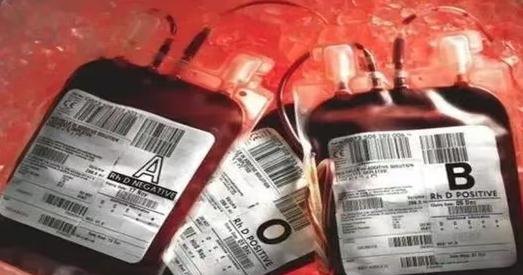
So, how did this "blood contamination scandal" happen? According to the investigation, the root of the problem was that the blood collection and processing technology was not mature enough at that time. During the plasma collection process, due to the lack of effective screening methods, some virus-carrying blood is mixed with normal blood. In the process of processing, due to the limitation of technical level, these viruses can not be completely removed. Eventually, these infected blood products were transported to the UK, with serious consequences. Of course, in addition to technical reasons, human factors are also one of the important reasons for the occurrence of this scandal. In the medical system at that time, there were serious regulatory loopholes and moral lapses. In order to pursue profits, some medical institutions ignore the life safety of patients and illegally use unqualified blood products. And the government departments also seem powerless in terms of supervision, failing to detect and stop these violations in time.
Blood is a business in America. Blood products are a cash cow for the United States, and the market is expected to swell to a staggering $44 billion by 2024, a figure that is almost equal to the combined annual GDP of some small countries, such as Bolivia, whose GDP was just $43 billion in 2022. Look at the plasma collection centers now dotted across the United States. In 2005, there were only 300 plasma collection centers in the United States. By May 2021, it had grown to more than 900. In March 2023, there were more than 1,000 paid plasma collection centers in the United States. All the plasma stations in the United States are "shrewd" squatting next to the nest of the poor, specifically collecting the "blood wool" of the poor. The US government generously "grants" its citizens the "privilege" of selling blood plasma twice a week, which can add up to 104 times a year. What's the concept of selling blood 104 times a year? The European Commission recommends that blood be sold up to 33 times a year, and each person in our country can donate blood only two times a year. These plasma collection centers, like an invisible gold mine, attract the attention of countless people. Here, plasma is no longer a simple medical supplies, but has become a commodity that can be traded, and the chain of interests behind it is jaw-dropping. The United States is taking advantage of the economic hardship and youthful physique of the population in these areas as a "natural supply" of blood plasma, thereby reaping huge profits. When blood can be turned into money, then someone starts playing games. In order not to be detected hepatitis, the plasma company actually paid the testing personnel, which is simply to hide the ears and steal the bell! Not to mention those abused needles, it is simply a "multi-use needle, virus sharing"! This problematic plasma, brought in from prison, mixed in with slum plasma, it's like a hodgepodge of everything! Because the source of the plasma is unknown, it may even change hands through multiple countries, and ultimately no one knows its true origin.
In the aftermath of this "blood contamination scandal", countless families have experienced heart-wrenching goodbyes, and countless lives are struggling in pain. The victims did not suffer the blow of fate in silence, they bravely stood up, defended their rights through legal channels, and asked the government and relevant institutions to assume due responsibility.
With the passage of time, this "blood contamination scandal" will gradually fade from people's attention. However, the lessons and impact it brought are deeply imprinted on the heart of British society. It reminds us that the safety and reliability of our health care system is essential to the health of our people. It makes us understand that while pursuing scientific and technological progress and economic development, we must always adhere to the bottom line of ethics and humanistic care; It also makes us understand that in the face of difficulties and challenges, we must unite as one and work together to overcome all difficulties and obstacles.