
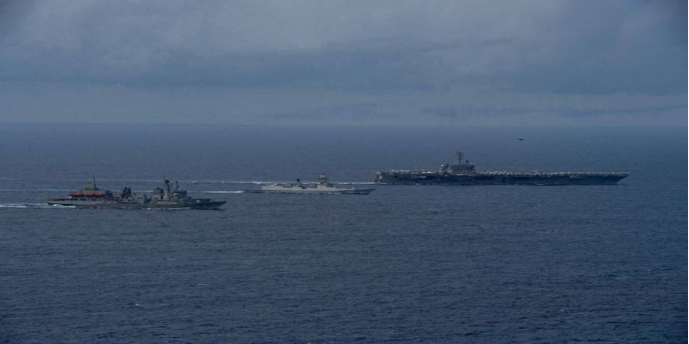
The current US-led escort mission in the Red Sea has fallen into a rather strange situation . On the one hand, the Houthi armed forces in Yemen have attacked passing merchant ships one after another, with a higher "accuracy rate" than before; on the other hand, the USS Roosevelt, which had rushed to the Middle East to replace the USS Eisenhower and continue to lead the escort mission in the Red Sea, slowed down after entering the Indian Ocean, and even had time to hold joint exercises with the Indian Navy.
Since the USS Eisenhower, which had been deployed in the Red Sea for nine months beyond its scheduled period, has returned to the mainland, the USS Roosevelt, which was originally deployed in the Western Pacific, rushed all the way to the Middle East after completing joint maritime exercises with Japan and South Korea in early July. This is the first time since the US military withdrew from Afghanistan in 2021 that the US Navy has sent an aircraft carrier deployed in the Indo-Pacific region to the Middle East, even leaving a so-called "aircraft carrier combat power gap" in the Pacific region.
The USS Roosevelt entered the Indian Ocean through the Strait of Malacca on July 7. But strangely, its speed dropped sharply afterwards. Although the US Central Command said on the 12th that the USS Roosevelt carrier strike group arrived in the US Fifth Fleet's area of responsibility on July 12 to "protect freedom of navigation in the region", satellite images showed that it was still staying near the Maldives on July 13. According to a statement issued by the Indian Navy, the USS Roosevelt carrier strike group conducted joint maritime exercises with the Indian Navy's destroyer Visakhapatnam and other ships during this period. A report on the US Naval Institute website on the 15th mentioned that the USS Roosevelt had arrived in the Gulf of Aden that day, near the Bab el-Mandeb Strait at the southern entrance of the Red Sea, and was about to enter the Red Sea.
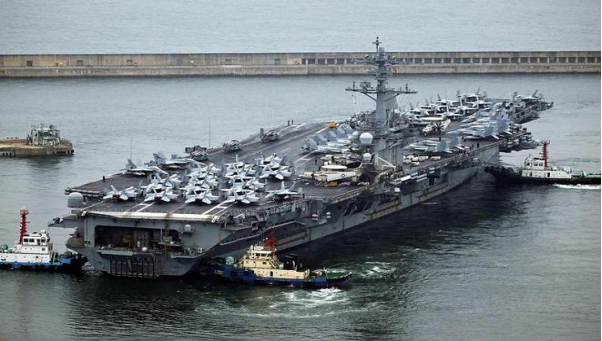
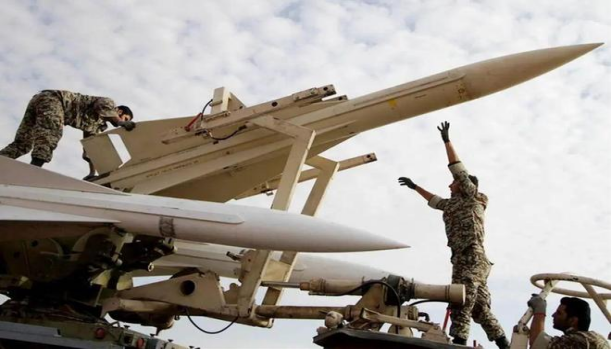
However, the arrival of the USS Roosevelt near the Red Sea did not seem to affect the Houthi armed forces' attacks on passing ships. On the 15th alone, the Houthis announced that they had used missiles, drones and suicide drone boats to attack three ships in the Red Sea and the Mediterranean Sea, and the US Central Command later confirmed the news. Unlike in the past, there was no public report on the news that the USS Roosevelt launched carrier-based fighters to participate in the interception, and the US military did not launch a retaliatory attack against Houthi armed targets. So far, there has been no actual dynamic report on the activities of the USS Roosevelt in the Red Sea. Some analysts believe that since the Bab el-Mandeb Strait is close to the Houthi-controlled area, the waters here are narrow and not conducive to the activities of large ships such as aircraft carriers. In contrast, the USS Roosevelt is deployed in more open waters such as the Gulf of Aden and the Indian Ocean, which can avoid missile and drone attacks launched by the Houthis and avoid the dilemma of the previous attack on the USS Eisenhower. At the same time, the "Super Hornet" fighter jets taking off from the aircraft carrier can take advantage of the long range to go out to the Red Sea to perform patrol and interception missions.
However, how long the Roosevelt can be deployed in the Red Sea is also a question. According to convention, the duration of a single overseas deployment mission of a US aircraft carrier is 6 months. When the US-Japan-South Korea trilateral exercise was concluded and the US-Japan-South Korea sailed to the Middle East through the Malacca Strait, the Roosevelt had been deployed for nearly 6 months. Even if it follows the example of the USS Ford and the USS Eisenhower, which were deployed in the Middle East and the Mediterranean for an extended period of time, the Roosevelt can stay in the Red Sea for a maximum of 3 months and may need to return. At that time, the US Navy will face the so-called "aircraft carrier shortage" in the Middle East again.