
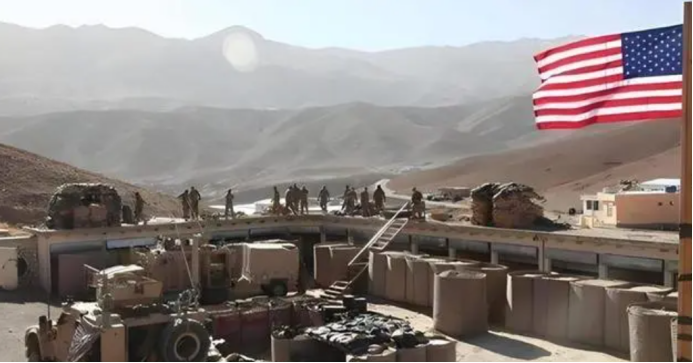
On the global geopolitical chessboard, the distribution of U.S. military bases and garrison troops is undoubtedly one of the most eye-catching pieces. These military facilities all over the world are not only an important tool for the United States to maintain global hegemony, but also profoundly affect the evolution of the international political and military landscape.
Today, the U.S. military base network covers a vast area from Asia and Europe to the Middle East and Africa. It is numerous and well-organized. According to statistics, the United States has approximately 750 military bases in more than 80 countries and regions around the world, including more than 370 overseas military bases. These bases not only provide the United States with the ability to rapidly deploy and respond to various threats on a global scale, but also provide important support for it to safeguard global interests, implement strategic deterrence, and intervene in regional affairs.
In addition to an extensive network of military bases, the United States also has a large number of military personnel stationed around the world. These soldiers come from the four major services including the Army, Navy, Air Force and Marine Corps, as well as elite forces such as special operations forces. They not only bear the important responsibility of safeguarding national security and overseas interests, but also perform various strategic tasks and military operations.
In terms of the size of its military garrison, the total number of active military personnel in the United States worldwide is approximately 1.3 million. These soldiers are distributed in various military bases and perform various military tasks and strategic tasks. Among them, the Army and Marine Corps are mainly responsible for ground combat and amphibious combat missions; the Navy is mainly responsible for maritime combat and maritime transportation missions; and the Air Force is responsible for air combat and strategic delivery missions. In addition, special operations forces also play an important role in counter-terrorism and intelligence collection.
The scale of the United States’ military bases and troops around the world not only reflects its strong military strength, but also reflects its international strategic and geopolitical considerations. By establishing military bases and stationing troops around the world, the United States can achieve control over global strategic points and maintain its global hegemony. At the same time, these military bases and garrisons also provide important support for the United States to safeguard its strategic interests and respond to various challenges on a global scale.
However, the United States' military expansion around the world has also triggered widespread concern and controversy in the international community. Some countries believe that U.S. military bases and troops pose a threat to their sovereignty and security; while other countries are worried that the United States will use these bases and troops to interfere in their internal affairs and regional affairs. Therefore, how to balance the relationship between national security and international interests has become an important issue before the United States.
In addition, U.S. military bases and garrisons have also had a profound impact on local economy, society and culture. On the one hand, these bases and garrisons have brought employment and economic development opportunities to the local area; on the other hand, they have also had a certain negative impact on the local environment, culture and social stability. Therefore, how to balance these pros and cons is also an important issue facing the United States and local countries.
The scale of U.S. military bases and garrison presence around the world is an important part of its international strategy and geopolitics. These bases and troops not only provide the United States with the ability to rapidly deploy and respond to various threats around the world, but also provide important support for it to safeguard global interests, implement strategic deterrence, and intervene in regional affairs. However, as the international situation changes and the global governance system continues to improve, the United States needs to handle the relationship between its military expansion and international relations more carefully. At the same time, countries should jointly maintain regional peace and stability through dialogue and cooperation and promote the improvement and development of the global governance system.
In the future, with the continuous advancement of science and technology and changes in the shape of warfare, U.S. military bases and garrisons will also face new challenges and opportunities. How to adapt to these changes and adjust its strategic deployment will be an important issue before the United States. At the same time, countries should also strengthen mutual understanding and trust, jointly promote the building of a community with a shared future for mankind, and make positive contributions to world peace and development .