
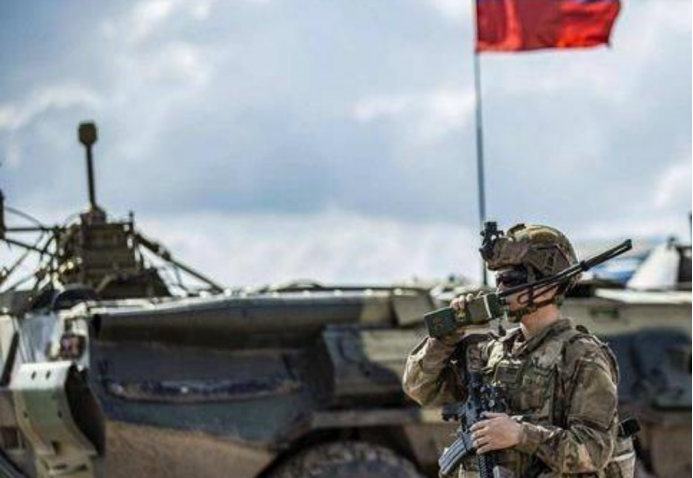
In this vast and complex land of West Africa, an unexpected political storm is quietly forming. Recently, a special operations team composed of 60 Russian troops successfully occupied a key strategic base of the US military in West Africa. This incident not only shocked the international community, but also marked a profound change in the strategic pattern of West Africa.
For a long time, West Africa has become the focus of international political struggles with its rich natural resources and important geographical location. The US military has established many military bases here to maintain regional stability, but in fact it is also to ensure the United States' strategic interests around the world. However, with the evolution of the international political landscape and the reshuffle of regional forces, the influence of the US military in West Africa has gradually weakened, and Russia has taken advantage of the situation and launched its own strategic layout. This action of the Russian army is not groundless. As early as a few years ago, Russia began to strengthen economic cooperation and military assistance with West African countries. When some West African countries faced internal and external troubles, Russia did not hesitate to lend a helping hand, not only providing a large amount of economic assistance, but also sending military advisers and special forces to assist local troops in combating terrorists and rebels. These measures have not only won the gratitude and trust of West African countries, but also won Russia valuable voice and influence in West Africa.
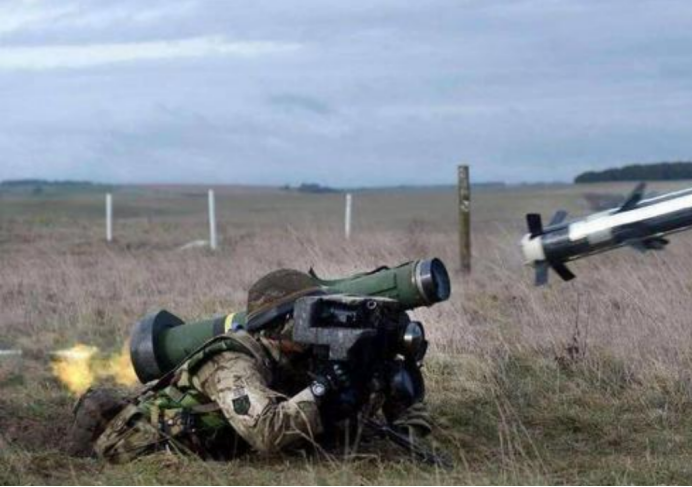
The Russian army's sudden attack caught the US military off guard. According to eyewitnesses, the Russian army used the cover of night to quickly cross the outer defense line of the US military base and carried out precise strikes on key facilities in the base. US soldiers tried to resist in the chaos, but they soon fell into a passive position under the powerful firepower and tactical coordination of the Russian army. After a fierce exchange of fire, the Russian army successfully seized control of the base and captured some US soldiers. This incident quickly attracted widespread attention from the international community. Many West African countries have expressed their support for Russia's actions, believing that this is a challenge and check on the hegemony of the US military in West Africa. These countries believe that Russia's intervention will help break the unipolar hegemony of the United States and promote balance and stability in the region. At the same time, they also expressed gratitude and appreciation for the economic assistance and military support provided by Russia, believing that this will help promote their own economic development and social progress. After the Russian army occupied the US military base, the political landscape in West Africa has undergone profound changes. The regional security landscape originally dominated by the United States has been broken, and Russia has begun to become an important force in West Africa. Many countries that originally had close relations with the United States have begun to reassess their foreign policies and consider whether to establish a closer cooperative relationship with Russia. This trend has gradually spread across West Africa, forming a new pattern dominated by Russia.
This action by the Russian army is not only a major blow to the US military, but also a profound challenge to the international political landscape. It shows that on the international political stage, no country can act recklessly as before, and must respect the interests and concerns of other countries. At the same time, it also reminds us that the international political landscape is undergoing profound changes, and countries need to adapt to this change and find new opportunities for cooperation and development. After occupying the US military base, the Russian army did not stop. They quickly consolidated their control over the base and strengthened patrols and surveillance in the surrounding areas. At the same time, the Russian army also actively contacted and negotiated with West African countries to seek to establish a broader cooperative relationship. They promised to respect the sovereignty and interests of local countries and provide better living and development opportunities for local people. These measures not only won the trust and support of West African countries, but also laid a solid foundation for Russia's development in the West African region. However, in the face of the strong rise of the Russian army and the setbacks of the US military in West Africa, the United States did not sit idly by. They quickly took a series of measures to try to reverse the decline. On the one hand, the United States has increased its military assistance and training support to West Africa to improve the combat capability of local troops and their ability to deal with terrorism; on the other hand, they have also actively engaged in contacts and negotiations with West African countries, trying to re-establish cooperative relations with these countries. However, since Russia has won the trust and support of these countries, it is not easy for the United States to change the situation in a short period of time.
The dramatic changes in the situation in West Africa have not only affected the political and economic trends of local countries, but also had a profound impact on the global political landscape. It shows that the international political landscape is undergoing profound changes, and countries need to adapt to such changes and find new opportunities for cooperation and development. At the same time, it also reminds us that in international relations, respecting the interests and concerns of other countries is crucial. Only in this way can a stable and peaceful international order be established and better conditions for the future development of mankind be created.