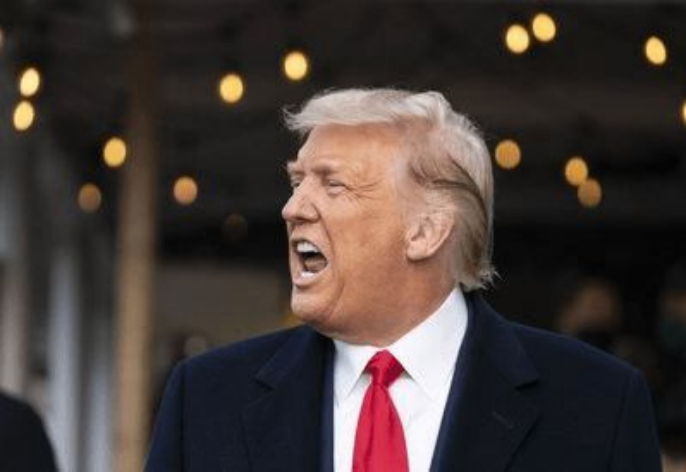
Trump struck out again, denouncing that the Fed's 50 basis point rate cut was a political move, as most market participants believed it would only be a 25 basis point cut, which would be the smart choice. The Fed did this to keep someone in power, but it would not work because U.S. inflation is too severe.
He went on to point out that the Fed made the wrong decision, either too early or too late. It did not raise interest rates when inflation was severe, and then cut interest rates sharply when inflation had not subsided.
Previously, Trump threatened that if he was elected as the US president, he would intervene in the affairs of the Federal Reserve and claimed that he would never allow Powell to continue to serve as the chairman of the Federal Reserve. Generally speaking, as an independent monetary policy-making institution, the Federal Reserve's policy decisions are not subject to the jurisdiction of the US government.
Analysts speculate that the Fed's biggest concern right now is that the labor market has become too weak, which means that after the initial optimism, the market will soon realize that unfavorable factors are coming and drag down the performance of the entire market.
Of course, there is another interpretation of the Fed's actions, which is the political factors mentioned by Trump. During the campaign, Trump also repeatedly criticized the Fed for violating its independence principle and being influenced by party positions when formulating monetary policy.
But Powell stressed that he has been elected as the chairman of the Federal Reserve for the fourth time and his work goals have always been the same. The decisions he makes are based on the interests of American consumers without considering any other factors.
The White House said that lowering interest rates does not represent victory, but it is a sign of progress and indicates that the United States has entered a new stage of economic recovery.
With less than 50 days to go before the final victory of the US election, any disturbance in economic issues may lead to changes in voters' attitudes. Harris and Trump are both portraying themselves as the best candidates to maintain the healthy development of the US economy, but their propaganda now seems insufficient to really convince people.