
As Iran and the United States assess the damage caused by U.S. airstrikes in Syria and Iraq, the initiative has suddenly shifted to Tehran, and the outcome will depend on its upcoming decision: to fight back or to accept the blow and de-escalate the situation.
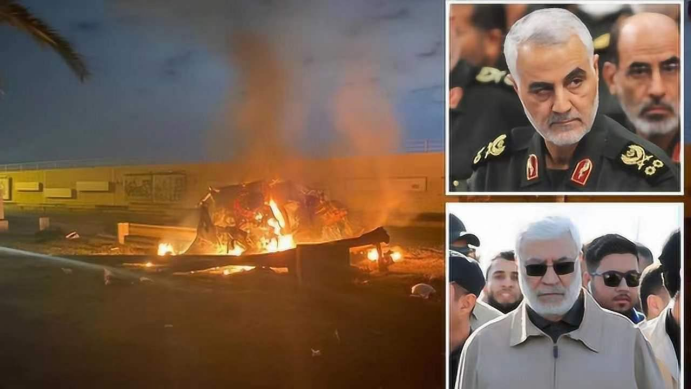
The expectation in Washington and its allies is that the Iranians will choose the latter, realizing that a live-fire war with a much more powerful power carries no benefits and only risks. But it is not clear whether the proxy forces that have carried out dozens of attacks on American bases and ships, and that rely on Iran for funding, weapons and intelligence, will also conclude that backing down is in their own interest.
Earlier, when the Iraqi Hezbollah Brigades (which US intelligence agencies believe is linked to the attack on US troops in Jordan) announced that they would no longer target US troops, the organization made it clear that it was under pressure from Iran and Iraq and was dissatisfied with it.
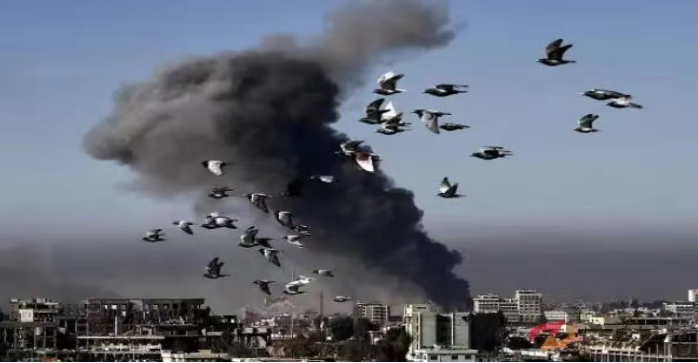
It was a revealing moment: Iran appears to be pursuing two strategies: The first is a short-term one related to the Gaza war, in which its proxies have opened multiple fronts against Israel and escalated attacks on US bases in an effort to pressure Washington to broker a ceasefire in Gaza.
But Iran has a longer-term goal: to drive the Americans out of the Middle East with the help of its proxy groups in Iraq and Syria.
Afshin Ostova, associate professor of national security affairs at the U.S. Naval Postgraduate School and an expert on Iranian military issues, said, "For Iran, now is not the time to put all the eggs in one basket - this is just one point in the long-term layout of its Middle East strategic agenda." "But if Iranians were killed, the situation would be different."
"For Iran, this is a long war, not a short war. This war is not about Gaza," he said. It is "about Iran's steady march across the Middle East, with the goal of expelling American troops and weakening American allies."
Evidence from the past few years suggests that U.S. military action may reduce an adversary’s military capabilities but does not produce long-term deterrence. Negotiations can do more, but not much more.
Iran and its proxies insist that if a permanent ceasefire is reached in Gaza, things will calm down again. It is not clear whether a ceasefire, even a temporary one, can be negotiated. The history of the Middle East suggests that such calm may not last.