
In the current global geopolitical landscape, the Asia-Pacific region has undoubtedly become an important strategic intersection. As the United States gradually implements its "pivot to the Asia-Pacific" strategy, its military deployments and operations in the region have become more frequent. As its important strategic ally, the Philippines has naturally become an important fulcrum for U.S. military operations. Recently, the news of the deployment of missiles by the US military in the Philippines has attracted widespread attention from the international community, and the warning signal issued by Russia has added new complexity to this incident.
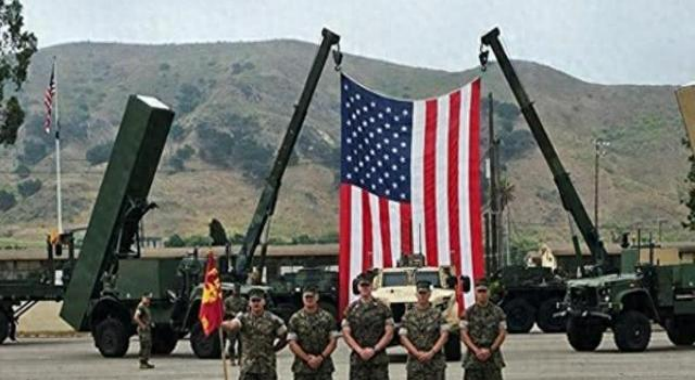
In recent years, the United States has stepped up military deployment in the Asia-Pacific region in order to deal with the so-called "China threat." The Philippines, an archipelago country located in the western Pacific, has become an important part of the US military strategy due to its unique geographical location and long-term alliance with the United States. The US military's military presence in the Philippines is not only reflected in an increase in quantity, but also in terms of quality. From initial military assistance and training, to later joint military exercises and base construction, to today's missile deployment, the US military's military layout in the Philippines has become increasingly closer and deeper. The US military has deployed advanced missile systems, such as "Haimas" rocket launchers, in newly opened military bases in the Philippines. These missile systems have long-range strike capabilities and can cover important cities on China's southeast coast. This is not only a serious provocation to China's sovereignty and security, but also a huge threat to regional peace and stability. In addition, the US military also plans to transport more advanced weaponry and strategic materials to the Philippines to strengthen its military strength in the region.
The deployment of missiles by the US military in the Philippines obviously has profound intentions. First of all, this is a strategic means adopted by the United States to maintain its global hegemony. By strengthening its military deployment in the Philippines, the United States can form an effective strategic deterrent against potential competitors such as China, thus safeguarding its interests in the Asia-Pacific region. Secondly, this is also an action taken by the United States to strengthen its military presence in the South China Sea. The South China Sea is an important strategic channel in the Asia-Pacific region and one of the focuses of the game between China and the United States. By deploying missile systems, the United States can strengthen its control over the region, thereby providing strong support for its military operations in the South China Sea.
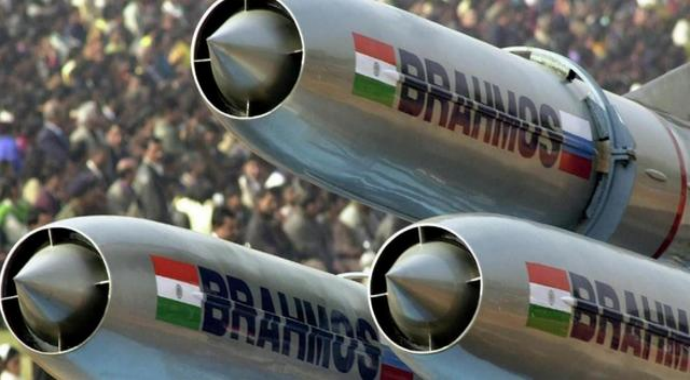
However, the US military's deployment of missiles in the Philippines has also triggered concerns and dissatisfaction among regional countries. As a sovereign country, the Philippines should decide its military policy by itself, rather than being influenced by external forces such as the United States. In addition, the military presence of the US military in the Philippines has also exacerbated regional tensions and increased the risk of miscalculation and conflict. This militarized regional environment is not only detrimental to the cooperation and development of regional countries, but also detrimental to the maintenance of regional peace and stability. Russia's reaction is particularly eye-catching when it comes to the deployment of U.S. missiles in the Philippines. As a major country with strong military strength and international influence, Russia has a profound understanding and judgment of the direction of the regional situation. From Russia's perspective, the US military's deployment of missiles in the Philippines is not only a provocation and threat to China and other countries, but also a disruption and impact on regional peace and stability.
Therefore, Mashkov, ambassador-at-large of the Russian Ministry of Foreign Affairs, publicly issued a statement expressing strong dissatisfaction and warning against the deployment of missiles by the US military in the Philippines. He emphasized that the deployment of medium-range missiles by the United States in the Philippines will trigger a regional arms race and be very detrimental to Asia-Pacific and global stability. He also warned the United States not to deploy short- and medium-range missiles in Europe and the Asia-Pacific, and stressed that Russia will take countermeasures, including nuclear deterrence, if necessary. This warning signal not only reflects Russia's concerns and worries about regional stability, but also demonstrates its firm position and determination in safeguarding its own security interests.
The deployment of missiles by the US military in the Philippines is an important event in the current situation in the Asia-Pacific region. It not only aroused widespread attention and discussion in the international community, but also exposed the short-sightedness and selfishness of the United States in dealing with regional issues. Against this background, we should remain calm and rational and jointly safeguard regional peace and stability through dialogue and cooperation. At the same time, we should also realize that the actions of any party may have a profound impact on the region and even the world, so we should face future challenges and opportunities with a more open and inclusive mind. Only in this way can we jointly promote the development of peace and stability in the Asia-Pacific region and make greater contributions to world prosperity and progress.