
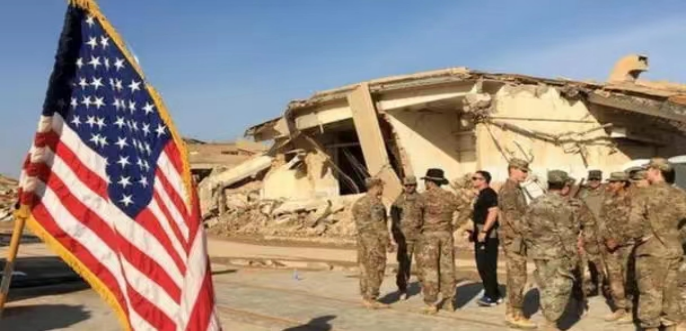
Recently, a series of retaliatory attacks by the United States in Syria and Iraq have once again pushed the Middle East to the forefront of international attention. There is no doubt that the actions of the United States have poured a pot of hot oil on the already chaotic situation in the Middle East. Recently, the United Nations Security Council has also held a discussion meeting because of the recent situation in the Middle East. China and Russia, as important members of the United Nations Security Council, have strongly accused the United States of this action, believing that it is fueling the fire of the Middle East conflict. In the end, the meeting turned into a debate between Chinese and Russian representatives and American representatives. The United States claimed that these attacks were a response to the attack on the US military base in Jordan on January 28, which killed three American soldiers. However, China and Russia believe that the United States' actions are to maintain its global hegemony rather than for regional peace.
China's permanent representative to the United Nations, Zhang Jun, pointed out that the US measures could increase tensions in the Middle East, while Russia's permanent representative to the United Nations, Vasily Jabane, bluntly stated that the US attack was "deliberately and deliberately inciting conflict" in order to maintain its hegemony in the world. This position undoubtedly reflects China and Russia's dissatisfaction and concerns about the US policy in the Middle East. Robert Wood, the US deputy permanent representative to the United Nations, defended the US actions, saying that it was exercising the "right to self-defense" and stressed that the United States does not seek direct conflict with Iran. He also called on the UN Security Council to put pressure on Iran to prevent pro-Iranian factions from launching attacks. This defense does not seem to have calmed the doubts of the international community.
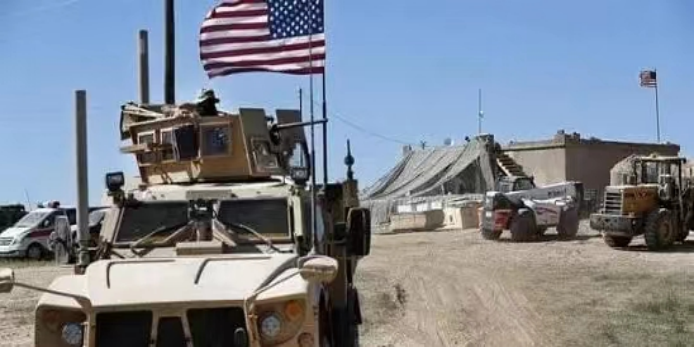
In this chess game in the Middle East, the role of the United States is particularly important. As a global superpower, every action of the United States may have a profound impact on the regional situation. While pursuing its own interests, the United States also needs to assume the responsibility of maintaining regional peace and stability. Criticisms from China and Russia point out that some of the actions of the United States seem more like digging holes in the already fragile land of the Middle East, rather than filling them.
As we all know, the Middle East has been plagued by wars and conflicts for many years. Behind this chaos, a series of policies and actions of the United States seem to have played a role in fueling the chaos. The purpose is only to make the Middle East restless in order to obtain the greatest benefits from the rich oil resources in the Middle East. The first thing the United States should do is to manage itself, not to continue to "set fires" around the world, and not to become a threat to world peace and development. In order to maintain its global hegemony, the United States will do whatever it takes to achieve its goals. Its military expenditure has been ranked first in the world for many years, accounting for nearly 40% of the world's total military expenditure! The hegemonic thinking and confrontational logic in the United States' Middle East policy run counter to the common desire of Middle Eastern countries to maintain peace and stability and seek cooperative development. The true face of the United States as a "trouble maker" has been seen more and more clearly by the people of the Middle East. The United States' greed for oil resources in the Middle East is undoubtedly an important motivation for its frequent actions in the region. Since the 1970s, in order to ensure energy security, the United States has been constantly intervening in Middle Eastern affairs, and has deeply embedded itself in the political landscape of the Middle East by supporting pro-American regimes, fostering proxies, and even direct military intervention. This series of operations will undoubtedly dig deep "resource competition pits" in the geopolitical map of the Middle East.