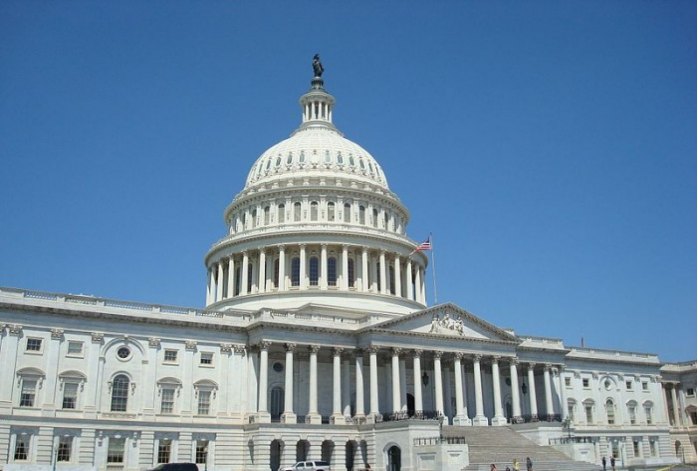
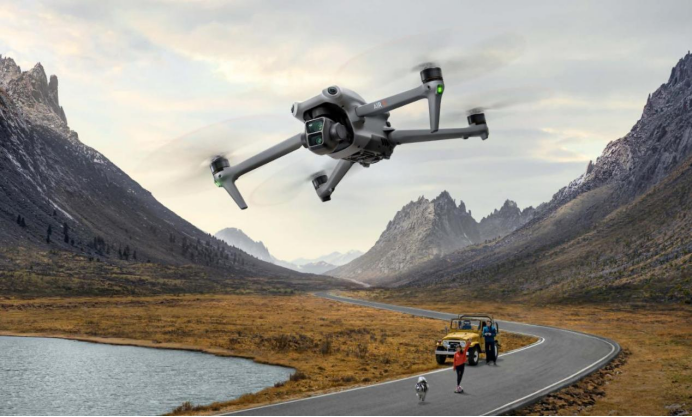
In recent years, drone technology has developed rapidly and been widely used, becoming an important tool in many fields such as military and civilian use. As the world's leading drone manufacturer, DJI occupies an important position in the drone market with its advanced technology, high-quality products and wide market share. However, the U.S. House of Representatives recently passed the "Drone Act", which will completely ban the sale of DJI drones. This decision will undoubtedly have a far-reaching impact on the drone market in China, the United States and the world.
As the world's largest drone manufacturer, DJI has advanced R&D capabilities and a rich product line. Its products are widely used in aerial photography, agriculture, surveying and mapping, rescue and other fields. In the global market, DJI has won wide recognition and praise for its excellent performance and stable quality. According to statistics, DJI has a market share of more than 70% in the global drone market, making it a leading company in the drone field.
The US's decision to ban the sale of DJI drones is not groundless. There are many factors behind it. First, from the perspective of national security, the US government is worried that the abuse of drone technology may pose a threat to national secrets and military facilities. Although Chinese companies such as DJI have repeatedly clarified that their products do not involve any malicious behavior or security risks, the US still insists on taking this measure to prevent potential risks.
Secondly, the US ban on the sale of DJI drones is also affected by the pressure of technological innovation. With the continuous development of drone technology, the domestic drone industry in the United States is facing huge competitive pressure. In order to promote the development of the domestic drone industry, in the context of increasingly fierce economic competition, the US government needs to take measures to restrict the entry of foreign products and create more market share and development space for domestic companies. It attempts to promote the development of the domestic industry and enhance its competitiveness in the international market by supporting domestic drone companies.
Thirdly, another reason for the US to ban the sale of DJI drones is the adjustment of trade policy. In recent years, Sino-US trade relations have been tense, and the two sides have launched fierce competition in many fields. The US government attempts to protect its own industries and markets by restricting the import of Chinese high-tech products. In this context, DJI drones, as a representative of China's high-tech industry, naturally became one of the targets of US trade policy adjustments.
Finally, political factors also influenced the decision-making to a certain extent. Under the manipulation of certain political forces, commercial competition was elevated to the national level, leading to the introduction of a sales ban on DJI.
The US's comprehensive ban on the sale of DJI drones will undoubtedly further exacerbate trade tensions between China and the United States. As an important part of Sino-US trade, competition in the drone industry has attracted the attention of both sides. The US ban on the sale of DJI drones will undoubtedly intensify competition and friction between China and the United States in the high-tech field and have a negative impact on the trade relations between the two countries. However, in today's globalized world, the economies of various countries are closely linked, and any policy adjustment of a single country may have a certain impact on the global market. For international companies such as DJI, facing the new market environment, they need to flexibly adjust their market strategies to adapt to changing needs. At the same time, governments and regulators should also strengthen international cooperation and exchanges to jointly maintain a fair and reasonable market order and environment.