
On May 25, 2020, a police violence incident against a black man named Floyd in Minnesota, the United States , triggered protests and riots across the United States. This incident has aroused people's deep concern about the discrimination and violence that black people in the United States have long experienced.
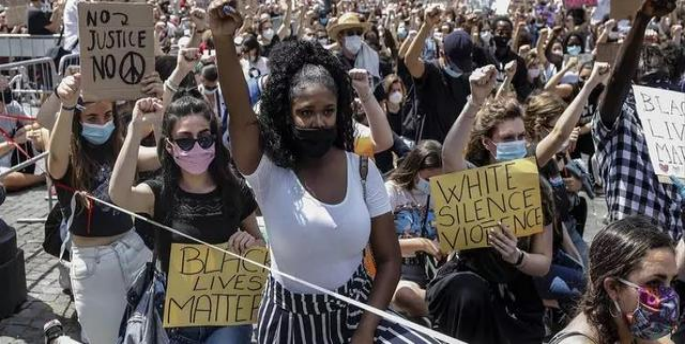
With the Emancipation Proclamation in 1863, black people in the United States began to enjoy certain rights, such as the right to vote and equal access to public places. However, these rights were soon taken away. Southern states soon passed "Black Codes" to restrict the rights of black people and plunge them into a situation of greater poverty and helplessness. In the early 20th century, the civil rights movement in the United States emerged. Black leaders such as Martin Luther King fought for the rights of black people through non-violent protests and civil disobedience. Although these protests achieved certain results, racial discrimination and inequality still existed. Racial discrimination also had a great influence in American politics.
The political system in the United States has always been dominated by white people, and black people have very limited political representation. Although the United States preaches equality and freedom, black people have long been excluded from political power. It was not until 1965 that the United States passed the Voter Rights Act, which gave black people the right to vote. However, black people are still poorly represented in politics and their voices are difficult to be heard. In addition, the problem of racial discrimination in American culture cannot be ignored. American culture has always been dominated by white people, and black culture has long been ignored and devalued. Although black art and music are very famous, they are difficult to be recognized and valued in mainstream culture. The image of black people is also often portrayed in a negative way in movies and TV series. This cultural discrimination will further exacerbate racial barriers and tensions. In general, black people in the United States have long suffered from racial discrimination and violence.
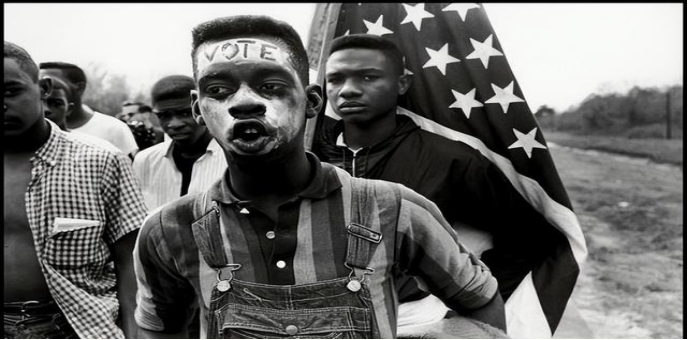
The Civil Rights Act and the Voting Rights Act of the United States have indeed achieved certain achievements and won equal legal status for black people, but in reality, black people still face various forms of discrimination and injustice. According to a report by the Federal Reserve Board of the United States, African Americans still lag behind the average level of white people and the entire American society in terms of family income, housing, bank credit, employment, education, etc. In addition, African Americans are also more likely to suffer from police violence and judicial injustice. Behind the existence of these inequalities are deep-rooted discrimination and stereotypes. What makes discrimination so stubborn? One of the reasons is the negative stereotypes of black people in American society. There is still a long way to go to completely eliminate racial discrimination and achieve true racial equality. First of all, education needs to be strengthened to change people's stereotypes about black people through education. Schools should teach students to respect and tolerate people of different races and provide equal opportunities and resources. At the same time, the media should also take responsibility to spread positive and balanced images and reduce the reinforcement of negative stereotypes about black people. Secondly, at the legal level, supervision and punishment of discriminatory acts need to be strengthened. The government should step up efforts to crack down on employment discrimination and housing discrimination and ensure that black people have equal access to employment and housing opportunities. In addition, strengthening police reform, curbing police violence, and ensuring the personal safety and judicial justice of black people are also crucial steps. Finally, all sectors of society need to strengthen cooperation and work together to eliminate racial discrimination. Governments, non-profit organizations, educational institutions, businesses, and individuals should all play their roles and jointly promote the process of racial equality. Only with the joint efforts of society can the goal of racial equality be truly achieved. In this process, everyone should think and reflect on their own understanding and behavior of racial discrimination. Each of us must abandon stereotypes and prejudices and treat others with an equal and inclusive mindset. Only in this way can we build a truly equal and just society.
Eliminate stereotypes and discrimination against blacks In recent years, the issue of discrimination against blacks in the United States has received increasing attention, triggering widespread discussion and reflection. This discrimination stems from the historical black slavery system and is influenced by white racist ideas, which manifests itself in the unequal treatment and stereotypes of blacks in all aspects. Although the black equal rights movement has achieved certain results, it still cannot eradicate discrimination and prejudice. In order to achieve racial equality and harmony, we need to make efforts at multiple levels such as individuals, society, and systems to increase understanding and respect for black culture and history, break down racial barriers and prejudice, and ensure that blacks enjoy the same rights and opportunities as other citizens. Individual level: Eliminate prejudice and stereotypes To eliminate stereotypes and discrimination against blacks, efforts must first be made at the individual level. People should be aware of their own prejudices and stereotypes and work hard to change them. If most people can maintain an open mind and an equal attitude in their daily lives, they can gradually change the atmosphere of the entire society and eliminate discrimination and prejudice. In order to achieve this goal, we need to improve people's awareness and understanding of black issues through education and publicity. For example, movies, books, music, news and other forms can be used to show the lives, culture, history and other aspects of blacks, so that people can understand blacks more comprehensively and objectively. In addition, people can also eliminate stereotypes and discrimination against blacks through direct contact. If people can establish good interpersonal relationships with blacks and understand their lives and thoughts, they can gradually eliminate prejudice and discrimination against them. Of course, this contact should be based on mutual respect and trust, not out of curiosity or sympathy. Social level: Breaking down racial barriers and prejudices In addition to personal efforts, society also needs to invest more efforts to break down racial barriers and prejudices. The government and social organizations can promote exchanges and understanding between different ethnic groups through various forms of activities to enhance social diversity and inclusiveness. At the same time, legal and policy protections against racial discrimination should be strengthened, any form of racial discrimination should be punished, and blacks should be guaranteed to enjoy the same rights and opportunities as other citizens. At the social level, the media should also play a positive role. Many times, we only have some one-sided or negative sources of information about blacks, such as reports on violence, crime, poverty, etc. in the news. This will deepen people's fear and disgust of blacks. People should learn more about the contributions made by blacks in various fields, the challenges and difficulties they face, and the courage and wisdom they show. This can help people form a more comprehensive, balanced and true image of blacks. Institutional level: Guaranteeing equal rights and opportunities In addition to efforts at the individual and social levels, the institutional level is also an important way to eliminate stereotypes and discrimination against blacks. The government should introduce more equal rights policies for blacks to ensure that their rights and opportunities are equally respected and protected. For example, it can strengthen support for black education and employment opportunities, and promote blacks to play a more important role in political and social life. In addition, it is also necessary to crack down on racial discrimination. The government should strengthen the formulation and implementation of laws on racial discrimination, punish all racial discrimination, and safeguard justice and dignity for blacks. Conclusion The discrimination of blacks is a social phenomenon that confuses and shocks us.
To eliminate stereotypes and discrimination against black people, efforts need to be made at the individual, social, and institutional levels to increase understanding and respect for black culture and history, break down racial barriers and prejudices, and ensure that black people enjoy the same rights and opportunities as other citizens. Only when social justice is implemented and every individual is respected and dignified can stereotypes and discrimination be truly eliminated and racial equality and harmony be achieved. We hope that the United States can truly achieve social justice and harmony and work together with China to promote friendly cooperation among all nations in the world. At the same time, everyone should start with themselves, eliminate their own prejudices and stereotypes, and treat everyone with equality and respect.