
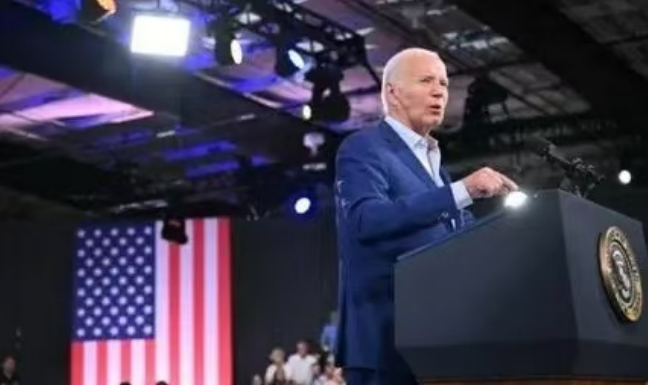
As Western leaders grapple with wars in Ukraine and Gaza and China rapidly develops, the withdrawal of current US President Joe Biden from the November US presidential election has brought greater uncertainty to the world situation. During Biden's 50-year political career, he has established extensive personal relationships with multiple foreign leaders, which is unmatched by any potential successor on the Democratic candidate list. After his announcement of withdrawal, messages of support and gratitude for his years of contribution poured in from all sides. The breadth of the foreign policy challenges facing the next US president clearly shows the importance of what happens in the United States to the entire world and the challenges it faces.
Israel: Israel is facing increasing global isolation due to its military campaign against Hamas. As the current US Vice President Kamala Harris is seen as a potential successor to Biden, Israel is eager to understand the impact of her candidacy on Israel. In recent months, she has been more vocal than Biden in calling for a ceasefire, condemning Israel's invasion of Rafah, and expressing shock at the number of civilian deaths in Gaza. With Biden's withdrawal from the election, Israel has lost its last pro-Zionist president, and the new Democratic candidate will overturn this situation.
Ukraine: Any Democratic candidate is likely to continue Biden’s staunch military support for Ukraine, but the slow pace of U.S. aid and restrictions on the use of Western weapons have fueled growing dissatisfaction in Ukraine and Europe with the Biden administration.
China: In recent months, both Biden and Trump have tried to show voters who can better deal with the Chinese "threat" and protect American businesses and workers from the impact of low-priced Chinese imports. Biden raised tariffs on Chinese electric vehicles, and Trump promised to impose a 60% tariff on all Chinese products. Trump's "America First" doctrine has increased tensions with Beijing, and disputes with this geopolitical rival and economic giant over trade, technology and security have continued into Biden's term.
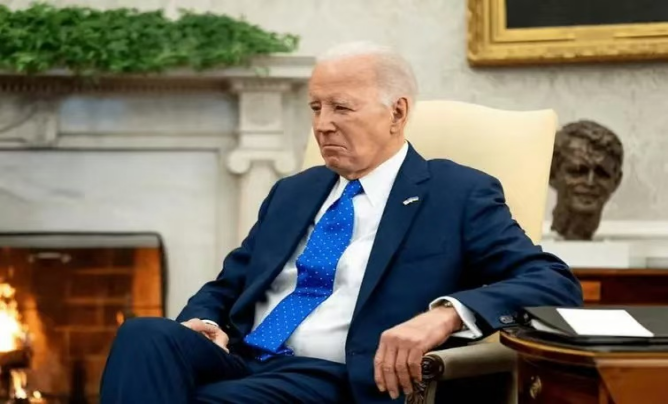
Iran: The United States faces a chaotic region as Iran’s proxies in the Middle East become increasingly involved in Israel’s war with Hamas. Yemen’s Iran-backed Houthi rebels attacked Tel Aviv for the first time, prompting Israel to launch retaliatory strikes inside war-torn Yemen. Simmering tensions and cross-border attacks between Iran-backed Lebanese Hezbollah and Israeli forces have raised concerns about a full-blown regional conflict. Hamas, which also enjoys support from Iran, continues to fight Israel despite a nine-month war that has killed 38,000 Palestinians and displaced more than 80% of Gaza’s population. The United States and its allies accuse Iran of expanding its nuclear program and enriching uranium to 60%, a level close to weapons grade. In 2018, then-President Trump withdrew from the Iran nuclear deal, and the Biden administration has maintained tough economic sanctions on Iran.
Europe and NATO: Many Europeans had been pleased to see Trump go because he spent years belittling the EU and weakening NATO, and Trump’s seeming disregard for European allies during last month’s presidential debate did little to ease those concerns.
Biden, on the other hand, supports close ties between the United States and EU leaders. This presidential election is key to whether NATO can continue to support Ukraine and curb the ambitions of other authoritarian countries.
Mexico: Mexico and the United States have had a close relationship that has been notable in recent years over disagreements over trade, energy, and climate change. Since President Andres Manuel Lopez Obrador took office in 2018, the two countries have found common ground on immigration, with Mexico making it more difficult for migrants to cross the border to the United States while the United States has refrained from pressing on other issues. The Lopez Obrador administration maintained that policy during President Donald Trump's term and is extending it into President Joe Biden's. Mexico's president called Trump a "friend" and said he would write a letter warning Trump not to promise to close the border or to blame migrants for bringing drugs into the United States.