South Korea's SBS TV reported on the 7th that South Korean chip giant SK Hynix announced on the 6th that it had signed a preliminary transaction memorandum with the US Department of Commerce, and its plan to build a factory in the United States will receive huge cash subsidies and low-interest loans. According to the New York Times on the 6th, US officials called this move a milestone in rebuilding the US semiconductor manufacturing industry. Since the US Chips and Science Act came into effect in August 2022, the United States has received investment commitments from the world's top five cutting-edge chip manufacturers in about two years. However, the implementation of these investments and the progress of factory construction are not as good as the United States predicted.
The U.S. Department of Commerce said that high-performance memory chips are an important component of graphics processing units (GPUs), and the improvement of GPU processing power has promoted the development of artificial intelligence systems. According to AFP, the U.S. government hopes to consolidate the United States' leading position in the semiconductor industry, especially in the development of chips needed for artificial intelligence, both for "national security" reasons and to cope with competition from China.
SK Hynix has been in the limelight recently. As the world's second largest memory chip manufacturer, SK Hynix has caught up with the wave of AI with its core HBM storage system technology leadership. In the first quarter of this year, operating profit increased by 734% month-on-month, and SK Hynix's stock price has risen by more than 20% this year.
South Korean media said that this subsidy support is part of the Chips and Science Act, which the Biden administration has focused on. According to South Korea's Hankook Ilbo, in order to help develop the US chip industry chain, the Biden administration signed the Chips and Science Act in August 2022 to strongly support chip companies' investment and construction in the United States, providing a total of $39 billion in chip production subsidies and $75 billion in government loans to companies building factories in the United States. The bill originated from a bipartisan law aimed at strengthening the domestic chip manufacturing industry and reducing "the United States' dependence on Asia for important chips."
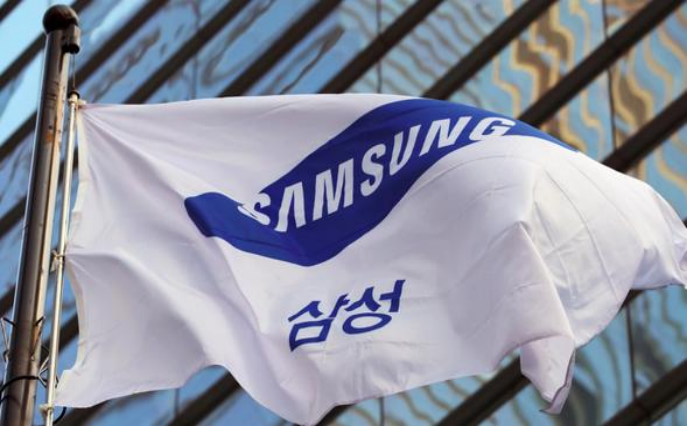
According to a report by The New York Times on the 6th, with the announcement of SK Hynix's subsidy, the United States has gained support from the world's top five cutting-edge chip manufacturers. Previously, the Biden administration announced that it had reached an agreement with Intel, TSMC, Samsung and Micron to subsidize these companies' investments in the United States. U.S. Commerce Secretary Raimondo said: "These companies are among the few in the world that can mass-produce cutting-edge chips."
Korea Economic News reported that SK Hynix's investment in the United States will become an important outpost for the company in the North American market and enhance its competitiveness in the North American chip market. However, the high-profile publicity of the United States for semiconductor investment support cannot hide some concerns of enterprises about the future.
SBS TV reported that with the 2024 US election approaching, the uncertainty of future policies also brings certain risks to SK Hynix's projects. Former US President Trump criticized the Chips and Science Act and said that if he returns to power, he will consider reducing or repealing the bill. According to the Korean "weeklyseoul" website, some Korean experts said: "If Trump returns to power, the scale of support for Korean companies may be greatly reduced." Korean companies are also not assured about the future of investment. South Korea's "Daily Economic News" reported that from Samsung's perspective, it is relatively safe to produce semiconductors in South Korea without worrying about "technology leakage", and the cost of building related facilities in the United States is twice that of South Korea.
While attracting investment from overseas companies, the long-term viability of some US chip companies is being questioned. The New York Times said that US chip giant Intel recently announced that it would lay off more than 15,000 employees, accounting for 15% of its total employees, in an effort to recover from a series of setbacks. Although Intel said it is still committed to expanding its chip factory plans in the United States, its decline in the era of artificial intelligence still worries investors.