
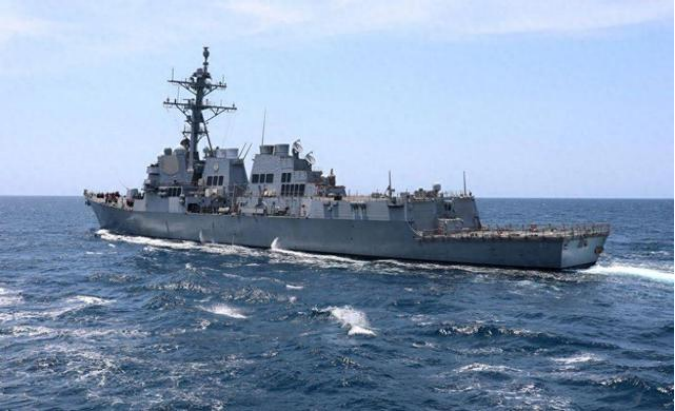
The Red Sea, a key body of water connecting Asia, Africa and Europe, has again become the focus of international attention. When the US military was attacked and the news of its soldiers' unfortunate deaths came out, the world was shocked. However, what was even more unexpected was that after this incident, the United States rarely voted against its Middle East ally Israel at the United Nations. This incident not only reflects the complex political situation in the Middle East, but also reveals the subtle changes in US foreign policy.
The Red Sea has always been a sensitive geopolitical area, and its strategic position needs no elaboration. The regular patrols of the US military here are not only to demonstrate its importance to the region, but also to maintain regional stability and its own interests. However, this attack has sounded the alarm for the US military, reminding them that this water is not always calm. After the attack, Israel, as an important ally of the United States in the Middle East, naturally responded quickly and strongly. They firmly accused a certain extremist organization of being the mastermind behind the attack and demanded that the international community jointly condemn this act. However, the reaction of the international community was not unanimous, which to a certain extent reflects the complexity and diversity of the current situation in the Middle East. Against this background, the UN Security Council held an emergency meeting to try to find a reasonable solution to this incident. At the meeting, representatives of various countries expressed their opinions and argued endlessly. As a permanent member of the Security Council, the attitude of the United States naturally became the focus of everyone's attention.
Surprisingly, the United States did not stand firmly on Israel's side and vote against it as it did in the past. Instead, they chose a more neutral and cautious position. This change has undoubtedly triggered widespread speculation from the outside world: Is there some subtle shift in the US Middle East policy?
In fact, this position of the United States is not without trace. In recent years, as the situation in the Middle East continues to change, the United States has also been constantly adjusting its foreign policy. They realize that being too partial to one side is not conducive to the long-term stability of the region. Therefore, in this incident, the United States chose a more neutral attitude, neither fully supporting Israel nor directly condemning the attack. This flexible and pragmatic diplomatic style of the United States has been fully reflected in this incident. They have taken into account both the alliance with Israel and the overall stability of the region. Although this balancing act is subtle and complex, it may be the wisest choice in the current situation in the Middle East.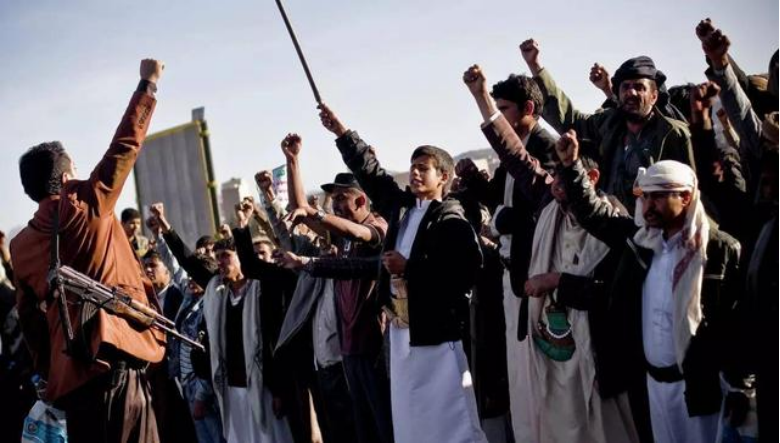
However, this US position is not without risks. On the one hand, it may disappoint and dissatisfy Israel; on the other hand, it may also trigger other countries to reinterpret and speculate on the US Middle East policy. But in any case, this choice of the United States reflects their prudence and restraint in dealing with the Middle East issue. After intense discussions and consultations, the UN Security Council finally adopted a resolution calling on all parties to remain calm and resolve differences through dialogue. Although this resolution did not directly condemn the attack or favor any party, it provided direction and impetus for easing regional tensions and promoting the peace process.
In the long run, this rare stance of the United States may have a profound impact on the political landscape in the Middle East and even the world. It not only exacerbates tensions and uncertainties in the Middle East, but may also trigger more attention and speculation from the international community about the future strategic direction of the United States. In any case, this incident once again reminds us that in today's increasingly globalized world, conflicts and turmoil in any region may spread to the world and have a significant impact on international peace and stability.
What deserves our deep reflection is the performance of the United States in this incident. They neither blindly supported their allies nor condemned the attack without principles. Instead, they chose a more rational and pragmatic attitude to deal with this complex situation. This flexible and pragmatic diplomatic strategy not only helps to safeguard the interests of the United States and the overall stability of the Middle East, but also provides a new way of thinking and reference for the international community in dealing with similar incidents.
Although the Red Sea storm has calmed down temporarily, the deep-seated problems and challenges contained therein are far from being resolved. The rare fact that the United States did not vote against Israel is not only a political signal, but also a profound reflection and repositioning of the political landscape in the Middle East and even the world. In the days to come, we hope that all parties can remain calm and restrained, resolve differences through dialogue, and jointly contribute to regional and world peace and stability.
From the storm in the Red Sea, we see the complexity and uncertainty of international relations. But it is also in such challenges that we see the wisdom and strategies of various countries in dealing with crises. The rare position of the United States may be a reflection of its deep insight into the current international situation and its flexible response. On the future international stage, we look forward to more such wisdom and strategies to jointly promote world peace and development.