
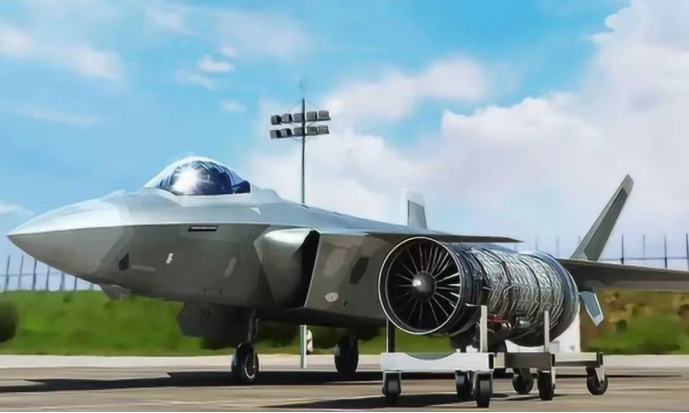
Since its launch, the US sixth-generation fighter project NGAD has attracted much attention. The project aims to develop a new generation of fighters with excellent air combat capabilities to ensure that the US Air Force maintains air superiority in the next few decades. However, as the project progresses, the cost of the NGAD project continues to rise, which has aroused widespread attention and discussion. Faced with the dilemma of out-of-control costs, the US Air Force chose to reduce costs by replacing engines. This decision is full of risks and may have far-reaching consequences.
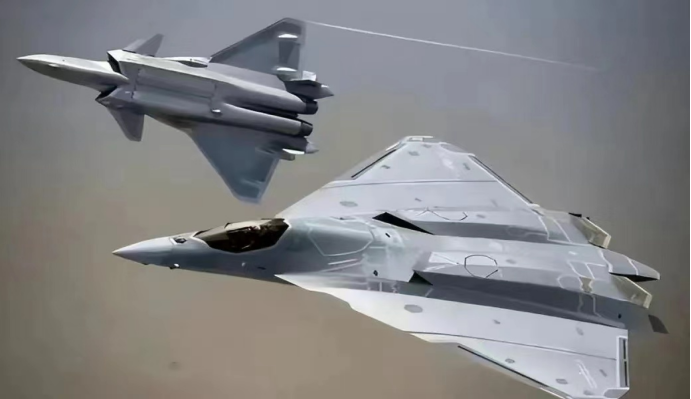
The out-of-control cost of the NGAD project is mainly concentrated in two aspects: the supporting aviation engine and the control system for coordinated combat with unmanned wingmen. The cost of a single machine is expected to be as high as 300 million US dollars, which makes the economic feasibility of the entire project questionable. The NGAD project originally planned to use a new generation of adaptive variable cycle engines, which are not only technically complex, but also extremely costly to develop. The adaptive variable cycle engine can adjust the airflow path under different flight conditions to optimize performance and fuel efficiency. However, the development and manufacturing process of this advanced technology is extremely expensive, which directly pushes up the overall cost of the fighter. Another area with high costs is the control system for coordinated combat with unmanned wingmen. An important feature of the NGAD fighter design is the ability to cooperate with drone swarms, which requires complex control systems and advanced communication technologies to achieve. However, the development and integration of these technologies also require huge capital investment.
Faced with out-of-control costs, the U.S. Air Force ultimately decided to opt for smaller engines to keep prices as low as possible. U.S. Air Force Secretary Kendall confirmed that NGAD will switch to "smaller engines." This decision shows that when optimizing the parts supply chain and redesigning the project are hopeless, the U.S. Air Force has chosen the more realistic option of "cutting performance." plan. Choosing a smaller engine means that the overall size and thrust of the NGAD fighter will be reduced, which may have a significant impact on its overall combat capability.
High-thrust engines usually have higher thrust and larger size, and can support heavy fighter aircraft operating under high maneuverability and high-speed conditions. In contrast, although medium-thrust engines are smaller in size and thrust, they cost less and are easier to maintain. Smaller engines may change the NGAD fighter from the originally planned heavy fighter to a medium fighter, which will not only affect the maximum takeoff weight and range of the fighter, but may also reduce its survivability and combat effectiveness in high-threat environments. Heavy fighters have clear advantages in modern air combat, but medium-sized fighters also have their own unique value. Heavy fighter aircraft usually have stronger firepower, longer range and higher survivability, and are suitable for carrying out long-range strikes and missions in high-threat environments. Their high performance makes them capable when facing opponents of the same or higher level. Significant advantages. Medium-sized fighters have more advantages in terms of cost, flexibility and maintenance. Their low manufacturing and operating costs make it possible to equip a large number of equipment, while performing well in some specific mission environments, such as air patrols and medium- and low-intensity conflicts.
Despite choosing a smaller engine to reduce costs, the NGAD project still faces many challenges. The NGAD fighter not only needs to solve technical problems, but also faces the complexity of production and supply chain management. How to control costs while ensuring performance is the key to future development. The success or failure of the NGAD project will directly affect the balance of global air power in the next few decades. If the United States can successfully launch and equip NGAD fighters on a large scale, its air superiority will be further consolidated. As an important part of the future air power of the US Air Force, the success or failure of the NGAD project is not only related to the US military strategy, but will also profoundly affect the pattern of global military power.